Waiting to Buy a Home? The Hidden Cost That’s Quietly Making Houses More Expensive

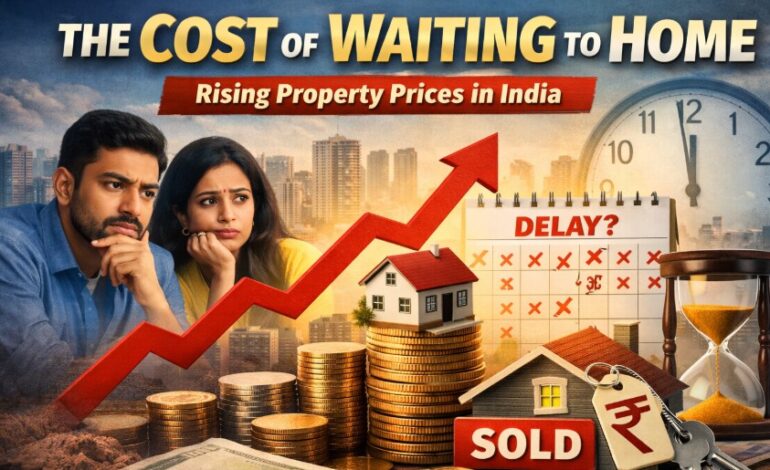
Home Buying Delay Cost: For many homebuyers, waiting feels like the prudent move. Prices may cool, interest rates could soften, or a better deal might surface. But in a steadily rising property market, hesitation often comes with an invisible price tag—one that extends far beyond the sticker price of a home.
Across India’s major metros, residential real estate prices have continued their upward climb, quietly turning delay into an expensive decision. What seems like patience today can translate into significantly higher costs tomorrow.
To understand why timing matters more than ever, IndiaToday.in spoke to industry leaders Prashin Jhobalia, Chief Marketing Officer at House of Hiranandani; Aakash Agarwal, Managing Director of Krisala Developers; and Sachin Bhandari, CEO and Executive Director at VTP Realty.

The Compounding Effect Buyers Often Miss
At first glance, a 5–8% annual price increase may appear manageable. In reality, compounding works relentlessly against those who wait.
“A 6% annual rise means a ₹1.5 crore home today could cost nearly ₹1.59 crore in a year and over ₹1.68 crore in two years,” explains Aakash Agarwal.
“Delaying a purchase directly impacts down payments, EMIs and long-term wealth creation through capital appreciation.”
In high-demand markets like parts of Delhi-NCR and Bengaluru, price growth has already reached double digits in select micro-markets, making timing a decisive factor.
The Cost of Waiting Goes Beyond the Home Price
Postponing a purchase often triggers a chain of additional expenses. According to Agarwal, buyers may face higher borrowing costs if interest rates rise, fewer unit options, increased transaction taxes and the loss of early-bird incentives.
“In an appreciating market, the cost of waiting can easily outweigh the comfort of holding cash,” he says.
Changes in stamp duty, GST norms for under-construction properties, and higher maintenance or transfer charges can further inflate the total cost—often quietly.

Under-Construction vs Ready Homes: A Growing Price Gap
One of the most striking differences lies between under-construction and ready-to-move homes. Historically, under-construction projects were priced 15–25% lower within the same locality. That gap is now widening.
“Developers price early-stage projects conservatively to build momentum,” says Sachin Bhandari.
“As completion nears, inflation, construction costs and delivered value are factored in, creating a clear premium for ready possession.”
Buyers who wait often end up paying more not just for immediacy, but also for certainty—while having fewer choices.
Fewer Deals, Less Negotiating Power
Discounts and pre-launch offers still exist, but they are becoming increasingly selective.
“Early buyers enjoy better pricing, flexible payment plans and preferred unit selection,” Bhandari notes.
“Late buyers enter after these advantages have already been absorbed by the market.”
As developers manage rising costs, negotiating power continues to shift away from buyers in high-growth locations.
Rising Input Costs Keep Prices Elevated
Behind the scenes, escalating input costs are pushing prices upward. Labour, logistics and specialised construction materials have become significantly more expensive, while land prices have surged due to competition from large national developers.
“These costs don’t vanish—they eventually reflect in the final price buyers pay,” Bhandari adds.
Luxury Buyers Feel the Time Pressure More
In the luxury housing segment, timing becomes even more critical.
“Early buyers often secure the best floors, views and layouts, along with a 15–20% pre-launch pricing advantage,” says Prashin Jhobalia of House of Hiranandani.
As projects progress, rising material costs get embedded into later inventory, while early-stage benefits disappear. Jhobalia also highlights time-bound government incentives and developer offers—such as stamp duty rebates for women buyers and tax benefits under Section 80C—that further reward timely decisions.
Waiting Shrinks Choice, Not Just Value
Beyond money, waiting reduces choice. Preferred layouts, ideal orientations and premium floor levels are typically sold early. What remains often involves compromises—on price, view or delivery timelines.
For many buyers, this “invisible cost” becomes clear only when options have already narrowed.
Buy Early, But Buy Smart
Experts agree that buying early does not mean buying impulsively. Financial readiness, due diligence and developer credibility remain essential.
“If the down payment is manageable and the EMI fits your long-term budget, buying in a strong micro-market makes sense,” advises Agarwal.
“Delay only if you are consciously building a larger equity buffer—and are prepared for higher prices and reduced choice.”
In a market where time itself carries a price, the real question for homebuyers may no longer be whether to buy—but how long they can afford to wait.
ALSO READ – Pfizer Stock Slips as Wall Street Stays Cautious Despite Updated Guidance