
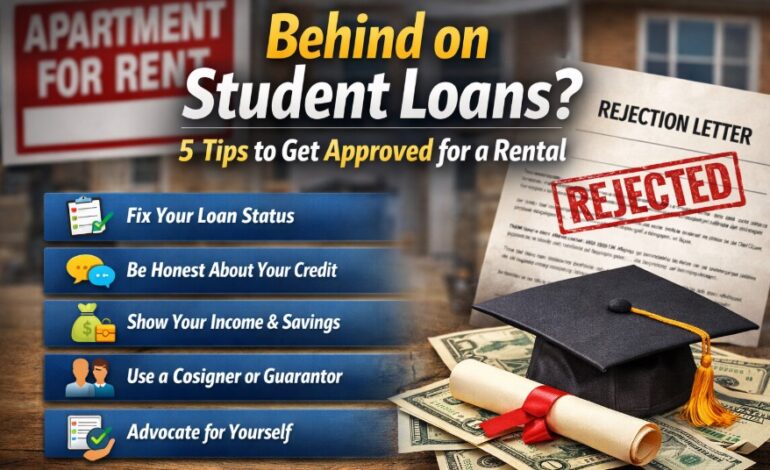
Struggling With Student Loan Debt? 5 Proven Tips to Secure a Rental Home

Student Loan Debt: Falling behind on student loans is no longer just a financial problem it’s becoming a housing problem, too. As rental markets tighten, landlords are increasingly factoring education debt into leasing decisions, leaving millions of borrowers struggling to secure housing.
Renters with delinquent student loans are facing growing hurdles as property managers lean heavily on credit reports to screen applicants. Financial experts warn that missed student loan payments can significantly reduce approval odds — but borrowers aren’t without options.
Student Loan Debt Is Reshaping the Rental Market
More than 42 million Americans currently hold student loan debt totaling over $1.6 trillion. According to a recent TransUnion analysis, the share of rental applicants who were more than 90 days delinquent on student loans jumped from 15% in January to 32% by May — more than doubling in just months.
Another report from The Institute for College Access & Success found that 45% of federal student loan borrowers say their debt has directly affected their housing plans, including where or whether they can rent.
“Delinquency is a red flag for landlords,” said Joel Berner, senior economist at Realtor.com. “It signals financial strain, and some property managers may decide the risk is too high.”
Defaults Rising as Borrowers Face Economic Pressure
Borrowers are being squeezed by a cooling job market, frequent policy changes, and difficulties accessing relief programs. The Department of Education estimates that more than 5 million borrowers are currently in default, a number that could climb to 10 million soon.
Credit damage can be severe. The Federal Reserve has estimated that student loan delinquency can slash credit scores by up to 171 points, potentially pushing borrowers below the typical 600–650 score range many landlords prefer.
Behind on Student Loans? 5 Expert Tips to Improve Your Chances of Renting
Financial experts say renters dealing with student loan issues should take proactive steps and advocate for themselves.
1. Show You’re Actively Fixing the Problem
Borrowers should begin resolving delinquency or default as soon as possible, said Betsy Mayotte, president of The Institute of Student Loan Advisors. Making a payment, enrolling in forbearance, or entering deferment programs can help. Those in default can pursue loan rehabilitation or consolidation.
“Even if the process takes time, proof that you’re addressing the issue can reassure landlords,” Mayotte said.
2. Be Honest About Your Credit History
“Don’t hide it,” advised Amanda Push, deputy editor at LendingTree. Explain why you fell behind and how you’re working to recover. As student loan struggles become more common, some landlords may be willing to make exceptions.
3. Highlight Your Financial Strengths
A low credit score doesn’t tell the full story. Emphasize steady income, job stability, rental history, savings, and landlord references. Some property owners may weigh these factors more heavily than credit alone.
You may also be able to negotiate a higher upfront payment though renters should check state laws that limit security deposits.
4. Use a Guarantor or Cosigner
A guarantor with strong credit can significantly improve approval odds. While cosigners share full responsibility and lease rights, guarantors step in only if rent goes unpaid.
If that’s not an option, experts suggest temporary alternatives like roommates, subletting, or living with family while repairing credit.
5. Advocate and Verify Your Credit Report
If denied housing, consider politely requesting clarification and offering additional documentation. Borrowers should also review their credit reports for errors and dispute inaccuracies.
Legal aid organizations may help renters determine whether protections under the Fair Credit Reporting Act or Fair Housing Act apply.
Student loan debt is increasingly shaping where and whether Americans can live. While delinquency can complicate rental applications, transparency, proactive repayment steps, and strong financial documentation can help borrowers stay competitive in a challenging housing market.
As repayment pressures grow, experts say both renters and landlords may need to rethink how student debt fits into the modern credit landscape.
ALSO READ – Turning 50? Avoid These 3 Retirement Savings Mistakes Before It’s Too Late