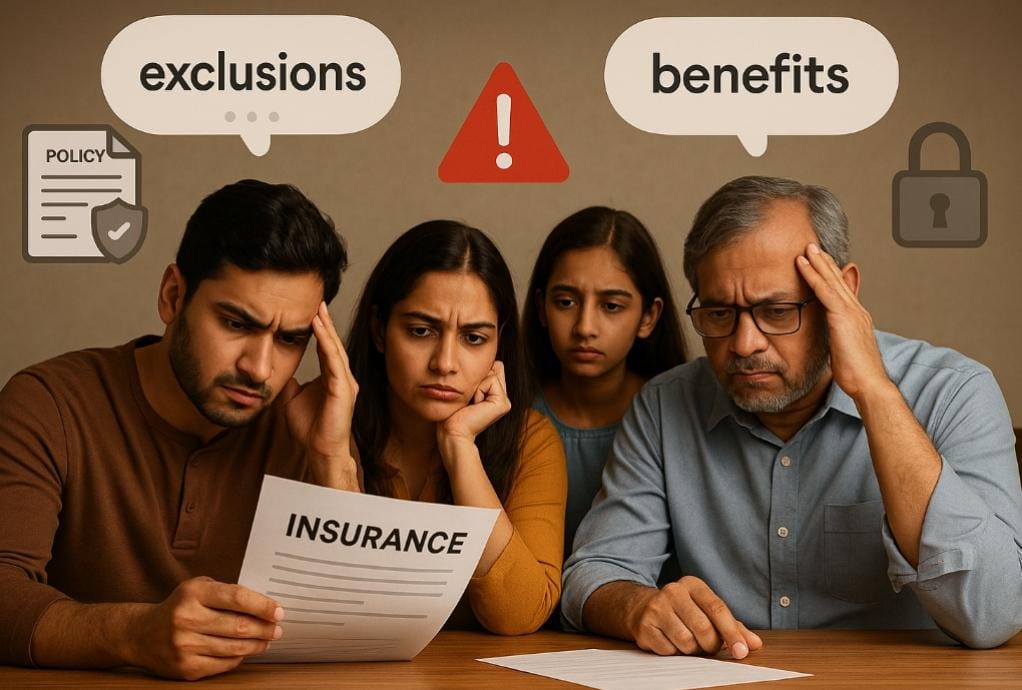

No More Overcharging: Govt Moves to Protect Patients

Government Cracks Down on Hospitals Charging More for Insurance Patients
Overcharging Insurance Patients: In a major reform aimed at protecting health insurance policyholders, the Indian government is preparing to take strong action against private hospitals that overcharge insured patients. The move will bring much-needed transparency and fairness in hospital billing practices.
What’s Changing?
The National Health Claims Exchange (NHCE)—currently under the Ministry of Health—will soon come under the Ministry of Finance. Specifically, it will be overseen by the Insurance Regulatory and Development Authority of India (IRDAI), which regulates the country’s insurance sector.
This shift is designed to give the insurance regulator more control over hospital billing, especially for patients covered under health insurance.
Why This Move Was Needed
Many insurance companies have complained to the government that private hospitals charge different prices for the same treatment based on whether the patient is paying out-of-pocket or via insurance. Investigations found that hospitals often ask for insurance details at the time of admission—and then increase the treatment cost based on the patient’s coverage.
This unfair practice results in:
- Higher premiums over time as insurers absorb inflated claim amounts
- Unfair billing for policyholders
- Lack of trust in the private healthcare ecosystem
A Step Towards Transparent Billing
The new plan aims to:
- Standardize treatment costs across hospitals
- Ensure equal billing for both insured and non-insured patients
- Create a central, accountable system to monitor insurance claims
By moving the portal to IRDAI, the government expects a single-window system for claims processing and real-time monitoring of treatment costs across private hospitals.
What Is the National Health Claims Exchange?
The NHCE portal acts as a digital bridge between hospitals, insurers, and patients. It helps in:
- Faster mediclaim settlements
- Better verification of bills
- Paperless exchange of documents
But until now, it lacked the authority to control how hospitals priced their services. That power will now rest with IRDAI, which can enforce billing rules more effectively.
What It Means for You
If you have health insurance, here’s what this reform could mean:
- Fairer hospital bills: You won’t be charged more just because you’re insured.
- Transparent pricing: Hospitals may be required to publish standard treatment rates.
- Better claim settlement: Faster, simpler, and more accurate claims with fewer disputes.
- Reduced fraud: With pricing transparency, insurers can detect and block inflated claims more easily.
What Experts Say
According to senior officials, this transition will make the system more patient-friendly and transparent, and could prevent unethical billing practices in the future.
Experts believe this move could also improve public confidence in health insurance and lower long-term premiums by reducing unnecessary claim inflation.
Final Thoughts
This government action is a big step toward protecting policyholders, improving trust in the private healthcare system, and making insurance claims more efficient. If implemented properly, it could change how hospitals and insurers operate—and ensure patients are no longer penalized for having insurance.
Also Read: Bitcoin Falls Below $100K as US–Iran Tensions Rattle Markets