UK Open Banking Hits 15 Million Users What It Means for Finance, Payments the Future of Money

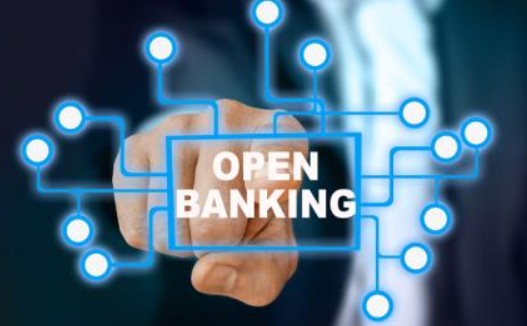
UK Open Banking: The United Kingdom’s Open Banking revolution is no longer a niche innovation it’s quickly becoming a widespread mainstream service. In July 2025, the country recorded a landmark milestone: over 15.16 million users now rely on Open Banking services, about one in every three adults.
What is Open Banking And Why It Matters
• At its core, Open Banking allows customers and businesses to securely share banking and account data with authorised third-party providers (TPPs). It enables services like instant payments, financial management apps, budgeting tools, and streamlined banking functions all without traditional banking friction.
• The change was brought in after regulatory reforms (under the earlier PSD2 directive), aimed at increasing competition, innovation and transparency in banking.
UK’s Rapid Adoption: What the Numbers Say (2025)
• In July 2025 alone, Open Banking services were used a record 2.04 billion times (API calls, payments, account-info services) — a 3.5% increase from June.
• Payments remain the major driver of growth. In July, the total number of payments reached ~29.9 million.
• Among payment innovations, Variable Recurring Payments (VRPs) which allow automated, adjustable recurring transfers (like subscriptions, bill payments, utilities) are gaining traction. VRPs now expand the utility of Open Banking beyond one-time transfers to ongoing financial automation.
What’s New in Open Banking’s Evolution
• In September 2024, the UK’s regulatory authority Competition and Markets Authority (CMA) confirmed that all nine mandated banks have completed the official “Open Banking Roadmap.” This means the full suite of Open Banking services payments, account-info, and VRP is now broadly available across major banks.
• With this roadmap completion, the UK is now gearing up for a transition beyond just banking. The emerging plan is to expand into “Open Finance” / Smart Data Economy, where financial data sharing and smart payments could extend beyond banks to include sectors like energy, telecoms, retail and more.
• As part of this expansion, the recently enacted Data (Use and Access) Act 2025 will play a major role in standardising data-sharing regulations, ensuring privacy and compliance while enabling smart-data services across industries.
What It Means for Consumers, Businesses & Fintech
• For consumers: More control over finances from easier budgeting and bill-payment automation to secure, fast, card-free payments. They get transparency, convenience and personalised services via apps and fintech tools.
• For small businesses and fintechs: Open Banking levels the playing field with traditional banks. They can now build services around payment initiation, lending, financial advice or automated bill handling using banking data securely and compliantly.
• For the economy: Experts estimate that open banking (and soon open finance) will contribute billions to the UK economy, encourage competition, foster innovation and create digital-skills jobs across fintech and related sectors.
Challenges & What’s Next
• As the system matures, regulators and stakeholders are now shaping governance for the “Future Entity” a new industry-wide standard-setting body expected to manage open banking APIs, performance standards and certification post-2025.
• Privacy, security, and consumer trust remain priorities especially as data sharing expands beyond banking into other sectors.
• Adoption beyond payments like credit, lending, and financial advice still has room to grow. The transition to “Open Finance” will take time and will depend on regulatory clarity and ecosystem readiness.
Why 2025 Might Be a Turning Point
With the completion of the official roadmap, rising user adoption, new legislation and plans for expanding into Open Finance 2025 could mark the moment when open banking transitions from a fintech niche to a foundational part of the UK’s financial and digital infrastructure. As banks, fintechs and regulators align, the benefits may soon ripple out beyond banking into everyday payments, utilities, commerce and more.
In short: the UK’s open banking journey isn’t over it’s evolving rapidly. And for consumers and businesses ready to embrace it, the future of finance is already here.
ALSO READ – Petco Recycling Drive Turns Waste into Worth: Mitchell’s Plain Schools Lead a Green Revolution